
Decoding Medicare Advantage Costs: A Reassuring Guide for Pre-Retirees
As you inch closer to retirement, the thought of navigating Medicare and its associated costs can feel like deciphering a complex puzzle. You've worked hard, saved diligently, and now you want peace of mind knowing your healthcare needs will be met without breaking the bank. One of the most talked-about options, and sometimes the most misunderstood, is Medicare Advantage (Part C). Many pre-retirees wonder about the true cost of these plans. Let's pull back the curtain and provide a clear, reassuring look at how Medicare Advantage costs work, helping you feel more confident about your future healthcare choices.
Understanding the Basics of Medicare Advantage (Part C)
First, a quick refresher:
Medicare Advantage plans
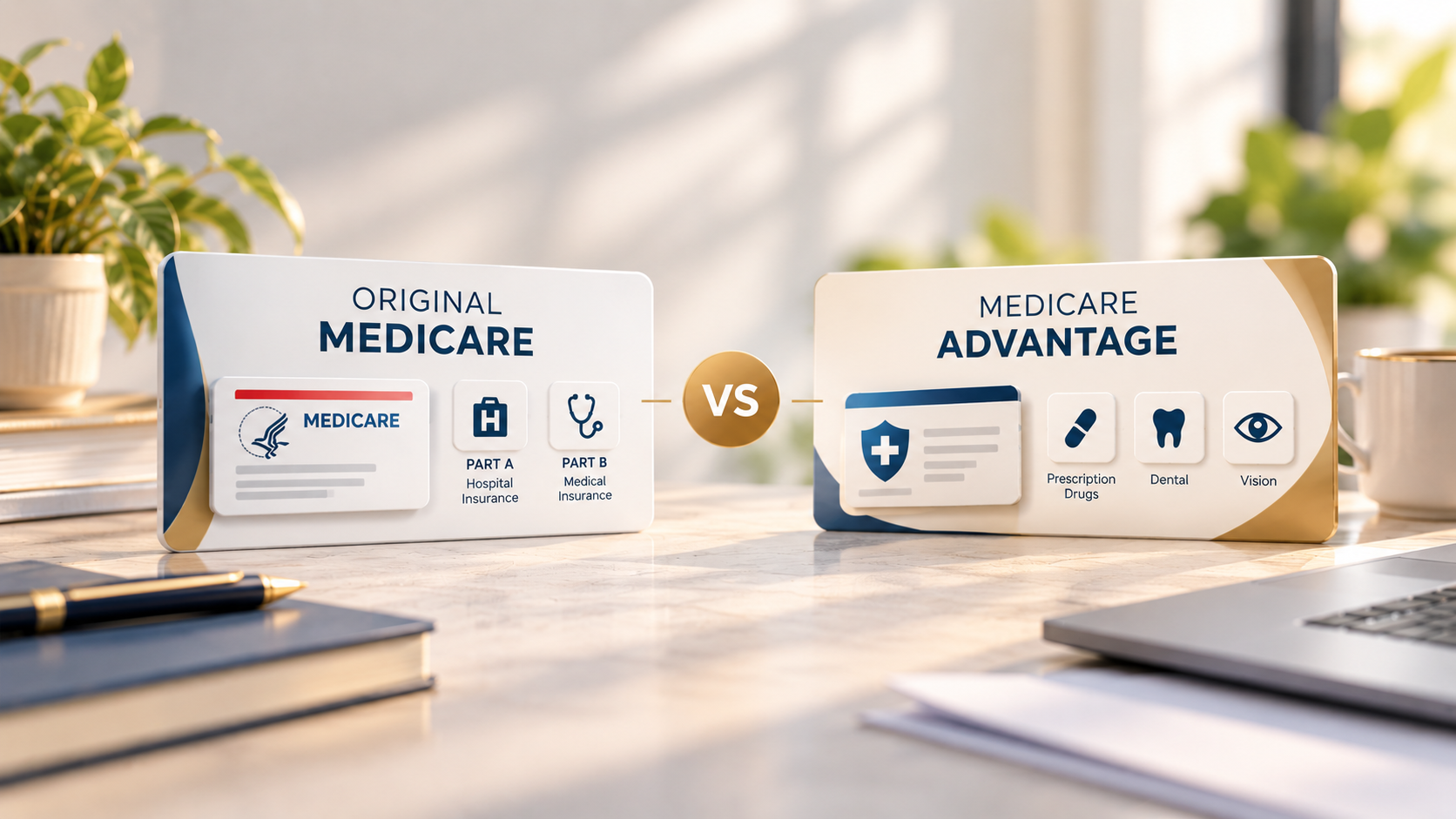
are offered by private insurance companies approved by Medicare. These plans serve as an "all-in-one" alternative to Original Medicare (Part A and Part B). When you enroll in a Medicare Advantage plan, you still remain in Medicare, but your plan delivers your Part A (Hospital Insurance) and Part B (Medical Insurance) benefits. Most Medicare Advantage plans also include prescription drug coverage (Part D) and often offer additional benefits not covered by Original Medicare.
Breaking Down Medicare Advantage Costs
The cost structure of Medicare Advantage plans is different from Original Medicare, and understanding each component is key to evaluating your options.
Monthly Premiums
One of the most appealing aspects for many is that a significant number of Medicare Advantage plans boast a
$0 monthly premium
. This means you might not pay an additional premium directly to the insurance company for your Advantage plan. However, it's crucial to remember that even with a $0 premium Medicare Advantage plan, you must continue to pay your
Part B premium
to Medicare. This premium is typically deducted from your Social Security benefits. Some Medicare Advantage plans might have a small monthly premium in addition to your Part B premium, especially those offering richer benefits or wider networks.
Deductibles
A
deductible
is the amount you must pay out-of-pocket for covered services before your plan starts to pay. Medicare Advantage plans can have different deductibles:
Copayments and Coinsurance
Once you've met any applicable deductibles, you'll typically pay
copayments
or
coinsurance
for services.
Medicare Advantage plans set their own copayments and coinsurance amounts, which can vary significantly between plans and services. It's essential to review these carefully when comparing options.
Out-of-Pocket Maximum (MOOP)
This is arguably one of the most reassuring features of Medicare Advantage plans. All Medicare Advantage plans are required to have an
Out-of-Pocket Maximum (MOOP)
. This is the absolute most you will have to pay for covered Part A and Part B services in a calendar year. Once you reach this limit, your plan pays 100% of your covered medical costs for the remainder of the year. This cap provides invaluable financial protection, giving you peace of mind that your healthcare costs won't spiral out of control in the event of a major illness or accident.
Extra Benefits (Often Included at No Additional Cost)
Many Medicare Advantage plans go beyond basic medical coverage by including benefits that Original Medicare doesn't cover. These can significantly add value without increasing your premium. Common extra benefits include:
While these aren't "costs" in the traditional sense, they represent services you might otherwise pay for out-of-pocket, effectively saving you money.
The Value Proposition for Pre-Retirees
For pre-retirees, Medicare Advantage plans often offer a compelling value proposition. They provide a clear, predictable cost structure with the reassurance of an out-of-pocket maximum. The inclusion of prescription drug coverage and valuable extra benefits in a single plan can simplify your healthcare management and potentially reduce your overall annual healthcare expenditures compared to managing Original Medicare, a standalone Part D plan, and separate dental/vision coverage.