
Navigating the world of Medicare can feel like deciphering a complex puzzle. With so many parts, plans, and acronyms, it's easy to feel overwhelmed. But what if you had a friendly, expert guide to walk you through it? That's exactly what this post aims to be! We're here to demystify one of the most popular options available: Medicare Advantage plans. Understanding your choices is the first step to securing the healthcare coverage that best fits your needs and lifestyle, and we'll break down everything you need to know about these comprehensive plans.
Understanding Original Medicare: Parts A & B
Before we dive into Medicare Advantage, it's crucial to grasp the foundation of Medicare: Original Medicare. This is the federal health insurance program for people 65 or older, certain younger people with disabilities, and people with End-Stage Renal Disease (ESRD).
What are Medicare Part A and Part B?
Original Medicare, which the federal government administers, consists of Part A and Part B only.
Part A: Hospital Care -- This covers inpatient hospital care, skilled nursing facilities, and hospice care.
Part B: Medical Insurance -- Doctors' visits, out-patient care, preventative services, ambulance services, and durable medical equipment.
When, Where, and How to Enroll in Original Medicare
Understanding your enrollment periods is critical to avoid potential penalties and ensure timely coverage:
How to Enroll: You typically enroll in Original Medicare through the Social Security Administration (SSA). If you're already receiving Social Security benefits, you'll generally be automatically enrolled in Parts A and B when you become eligible. If not, you can apply online at ssa.gov, by calling the SSA, or by visiting your local Social Security office.
What is Medicare Advantage (Part C)?
Once you're enrolled in Original Medicare (Parts A & B), you have choices about how you receive your Medicare benefits. One of the most popular options is a Medicare Advantage Plan, also known as Medicare Part C.
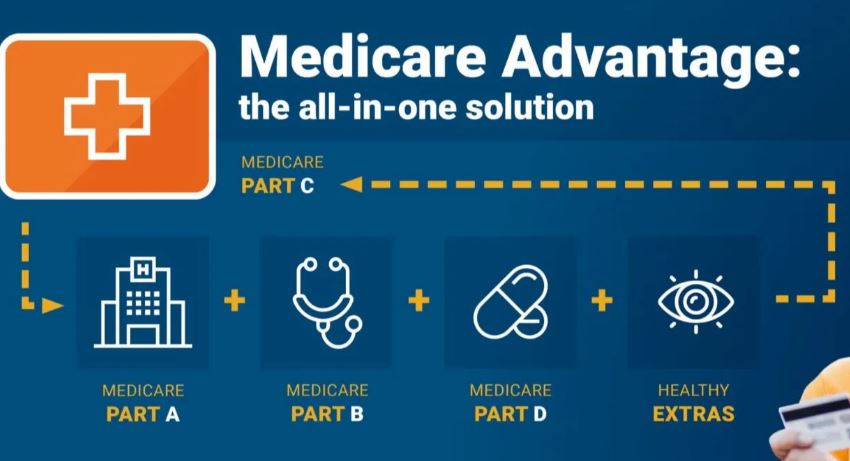
Medicare Advantage plans are offered by private insurance companies that Medicare approves. These plans essentially become your primary source of Medicare benefits. When you enroll in a Medicare Advantage plan, you still have Original Medicare, but your Medicare Advantage plan administers your Part A and Part B benefits.
The key difference is that these plans must cover all the services that Original Medicare covers, but they can (and often do) offer additional benefits. Instead of using your red, white, and blue Medicare card, you'll use your plan's membership card when you get care.
Which Carriers Are Available?
A wide array of reputable insurance carriers offer Medicare Advantage plans, including many names you likely already recognize. The specific plans and carriers available to you will depend on your geographic location (county and state). This competition among carriers often leads to a variety of plan options, price points, and benefit structures, giving you the power to choose a plan that aligns with your individual needs.